Almost everyone breathes air that exceeds WHO guideline limits.
What We Do
How accessible air quality data turns into community action
The Open Air Foundation helps underserved communities create public air quality evidence and use it for awareness, protection, advocacy, and cleaner-air action.
The Equity Problem
The communities most harmed by air pollution are often the least able to measure it.
Without trusted local data, pollution remains invisible. Communities cannot identify sources, schools cannot make protective decisions, residents do not know when to change behavior, and decision-makers lack evidence for targeted interventions. We close that evidence gap by helping local partners collect trustful air quality data and turn it into awareness, protection, advocacy, and cleaner-air action.
Nearly one billion people live in countries that do not monitor air quality.
Barely over one-quarter of countries provide fully transparent public air quality data.
Monitoring Access
The air quality data gap is an equity gap.
More than 90% of air-pollution-related deaths occur in low- and middle-income countries, yet many of these places have little or no publicly accessible local air quality data.
OpenAQ's 2024 global assessment shows the imbalance clearly. 36% of countries do not monitor air quality at all, while only 27% provide fully transparent public air quality data.
Public, hyperlocal monitoring changes the starting point. It gives communities, schools, health advocates, and decision-makers a shared evidence base for protection and action.
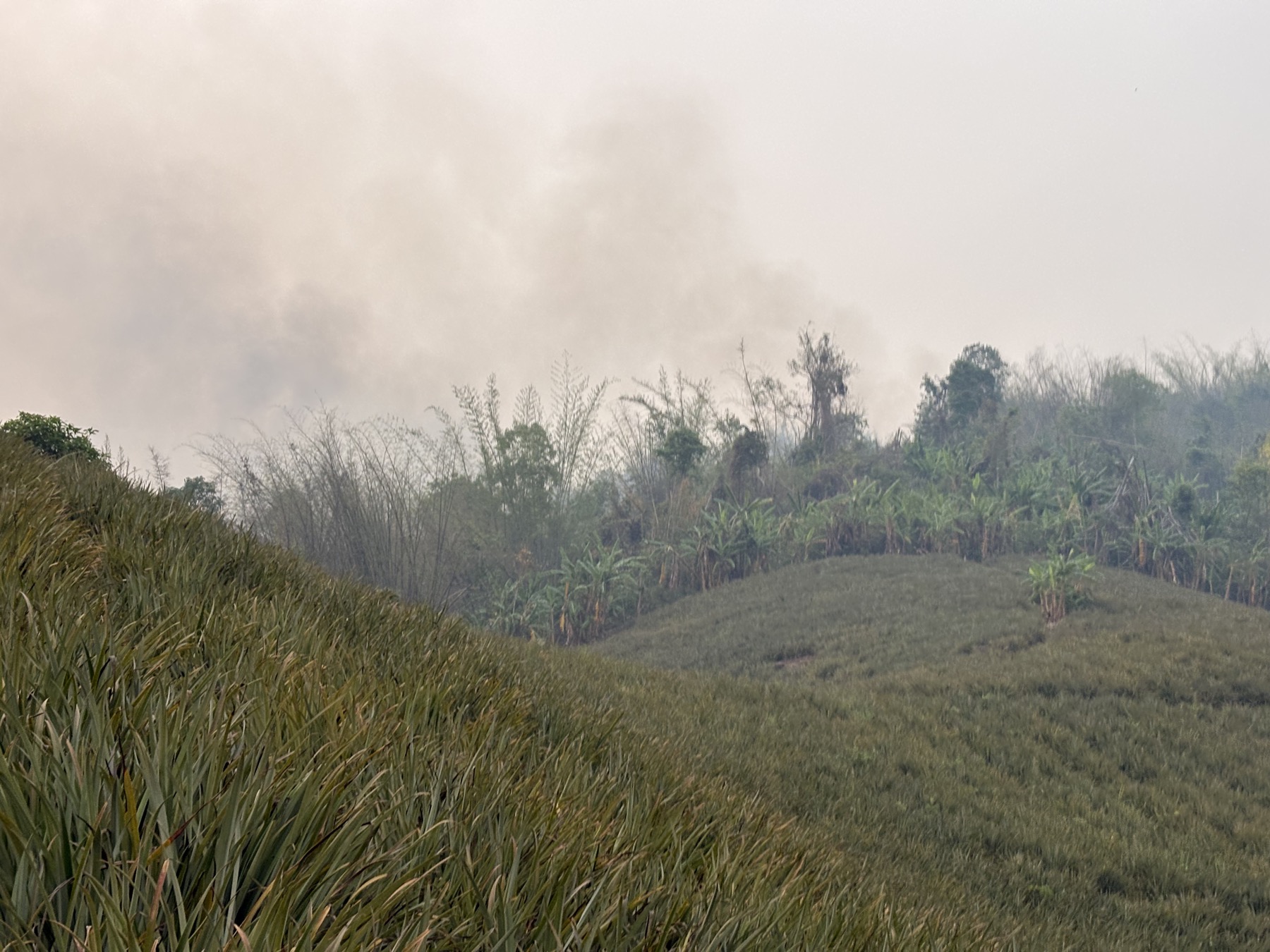
Through a dedicated WhatsApp channel, residents receive hourly alerts whenever air quality monitors detect pollution levels that exceed the recommendations established by the World Health Organization.
Victor Reconco, Financial and Administrative Manager at Sustenta Honduras
Advocacy and Policy
Donor funding can go further.
AirGradient has committed 5,000 monitors and USD 100,000 to kick-start the foundation. We plan to deploy 1,000 air quality sensors per year for the first five years.
Because the hardware contribution is already built in, donor funding can be directed to the work that makes data useful: shipping, deployment, maintenance, training, data interpretation, communications, advocacy, and community activation.
This model also reduces dependency on outside consultants. Local actors can use more funding for the important step of translating air quality data into action, rather than spending the first part of a grant simply procuring monitors.
Every dollar invested goes further because the hardware contribution is already built in.
Donor support funds the work that turns monitors into useful community infrastructure.
5,000Monitors committed
$100KKick-start funding
Capacity BuildingScience & Communication Support
Awareness and Behaviour Change
From measurement to action.
Public access to air quality data is one of the strongest drivers of air quality improvement. Without data, it becomes almost impossible to pinpoint pollution sources, citizens do not know how to protect themselves, and there is no evidence to pressure government action.
Once air quality data is publicly available and communicated to citizens and governments alike, communities can move from awareness to practical change. Action against air pollution starts by making the problem visible.
We deploy sensors in previously unmonitored areas and support communities in maintaining and using those sensors to advocate for cleaner air. Data access is not the whole solution, but it is the first step toward a cleaner and healthier environment.
Monitors alone do not create cleaner air.
We design our work around the full path from measurement to communication, local capacity, advocacy, and action.
Support Beyond Equipment
Procuring and deploying monitors is only the first step.
We leverage AirGradient's manufacturing experience, technical expertise, science team, and communications team so communities are not left alone with monitors they cannot maintain or explain.
Our goal is to transfer practical skills to local partners, so each network can become community infrastructure instead of a short-term equipment donation.
Monitor provision and technical assistance
We support communities through planning, setup, troubleshooting, and maintenance. We help partners build the skill set to plan monitoring networks and keep monitors running, creating knowledge that can transfer to other communities.
Capacity building
Public data is not enough. Communities must know how to interpret, visualize, and use their air quality data in ways local audiences understand. Our science and communications teams provide workshops and individual support.
Education and awareness
Understanding air pollution risks and protective actions is a cornerstone of advocacy. We support school workshops, community activities, graphics, plain-language communication, and a partner network for sharing strategies and resources.
Financial support
We fund practical resources communities need for education and activation, including printed material, summer school programs for children, community campaigns, and research activities.
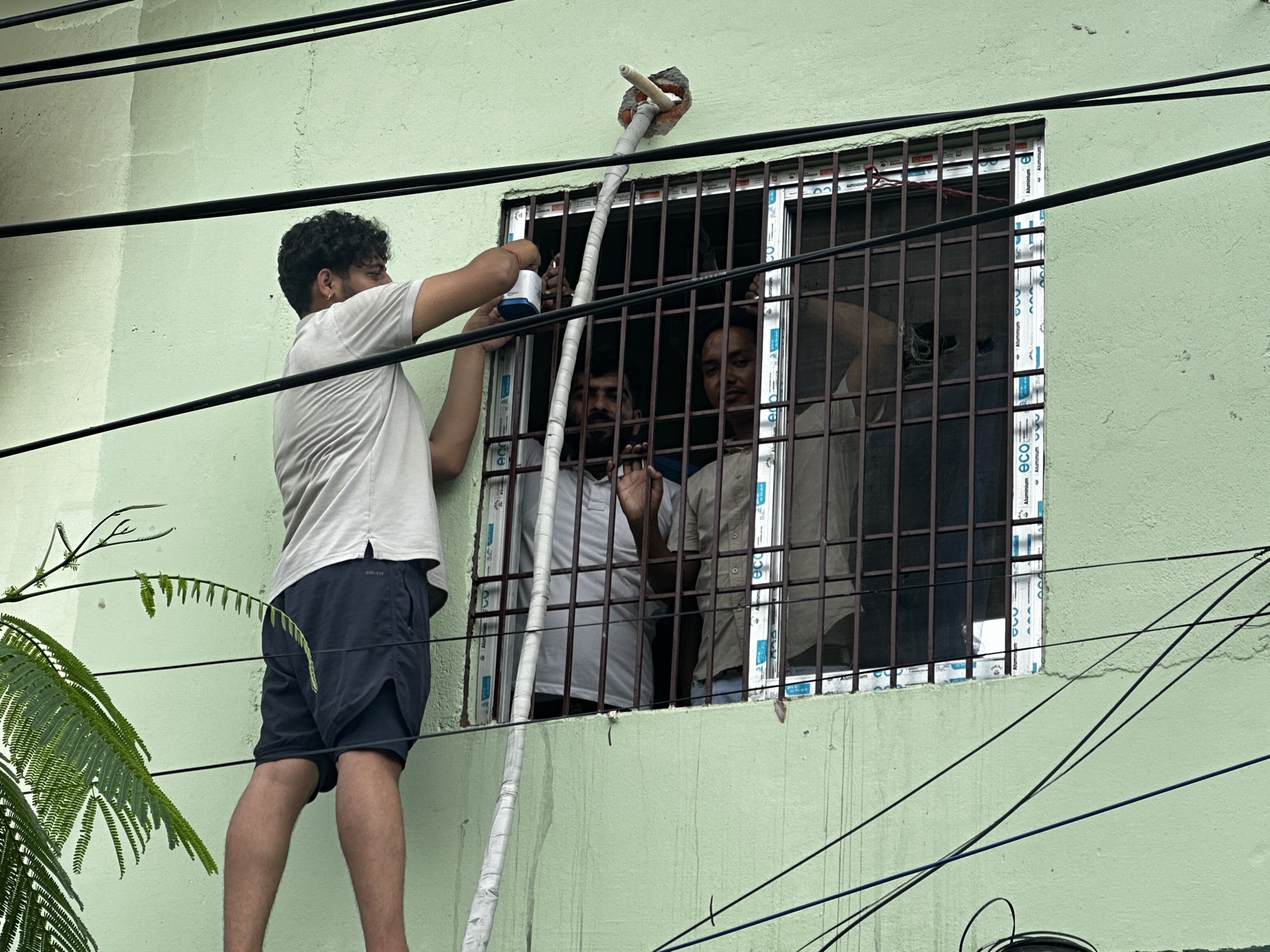
A lack of technical resources also creates a dependency on foreign collaborators and consulting companies.
The Case for Closing Global Air Quality Data Gaps with Local Actors
Funding Pathways
Practical project sizes for funders.
$20-50K can support monitoring in public spaces such as schools, hospitals, sport halls, and other places where exposure data can guide protective decisions.
$20-50K can also support hotspot monitoring around local pollution sources, helping communities and agencies identify patterns and target action.
$50-100K can expand data coverage across an under-monitored country or region, giving many people access to local air quality information for the first time.
Funding pays for the work that makes data useful.
Shipping, deployment, maintenance, training, data interpretation, communications, advocacy, and community activation are the real operating costs behind a successful monitoring network.
Where We Fit
We sit between data infrastructure and community action.
We are not replacing national policy programs, research funders, or local NGOs. We combine hardware access, technical expertise, public data tools, communications support, and community-level financial support.
We will collaborate with EPIC and coordinate during funding rounds where useful, so strong local projects can reach more communities and avoid duplicating effort.
This lets local organizations create public evidence, understand it, communicate it, and use it in education, advocacy, and policy conversations.